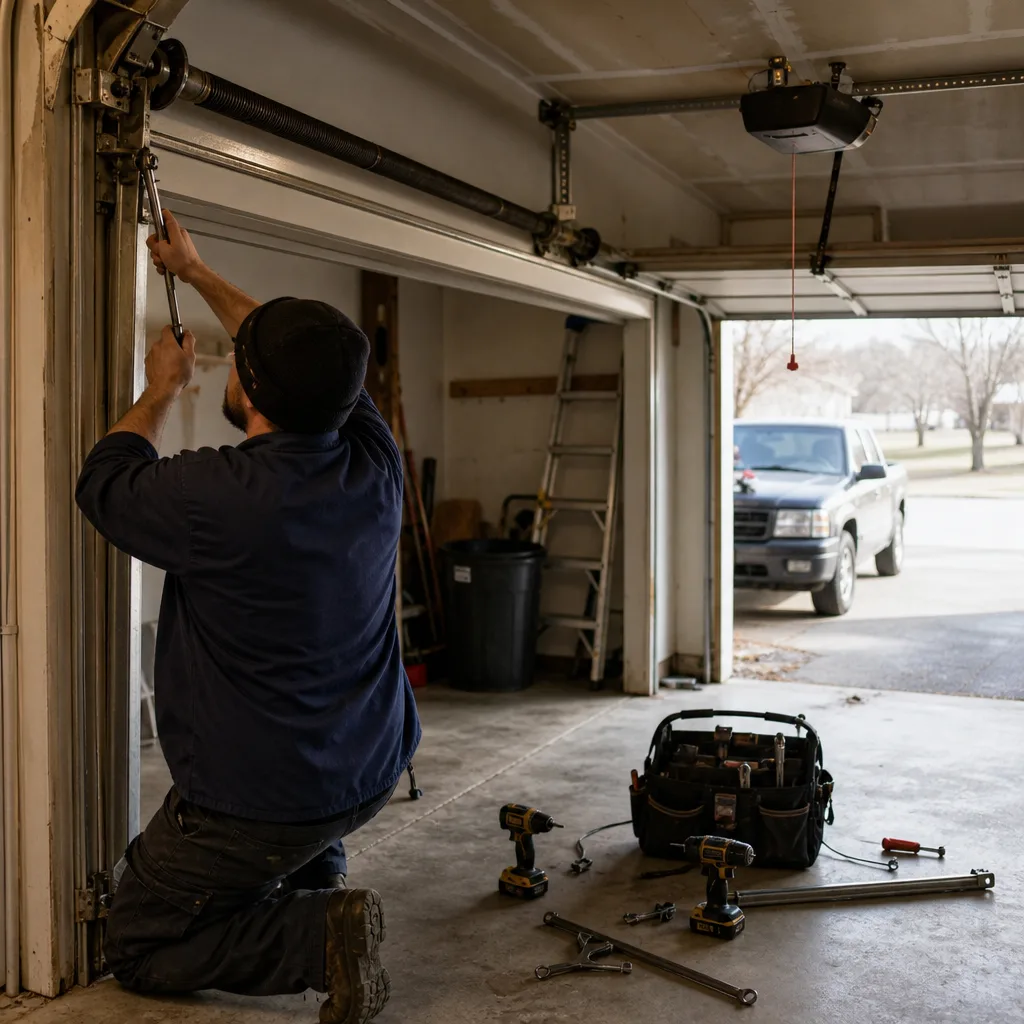
Last updated November 23, 2026
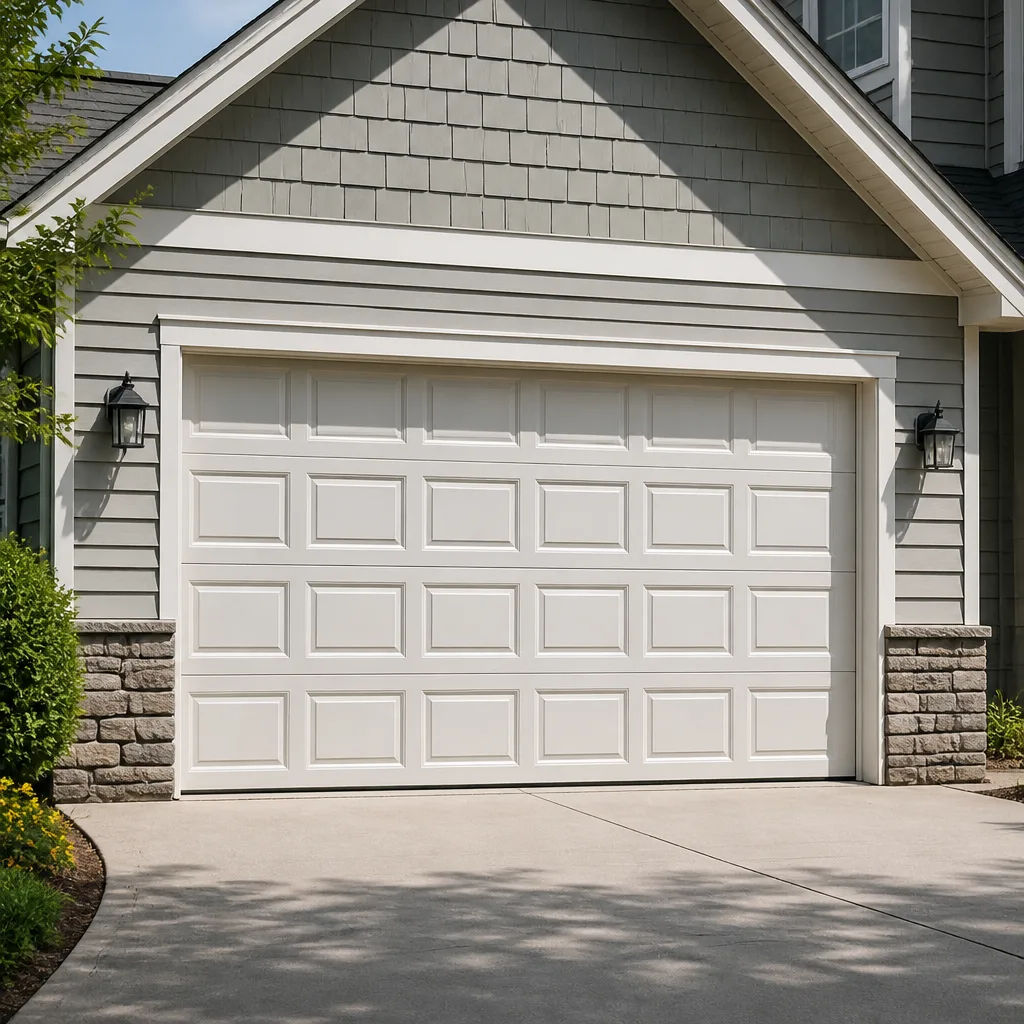 Raised-panel steel
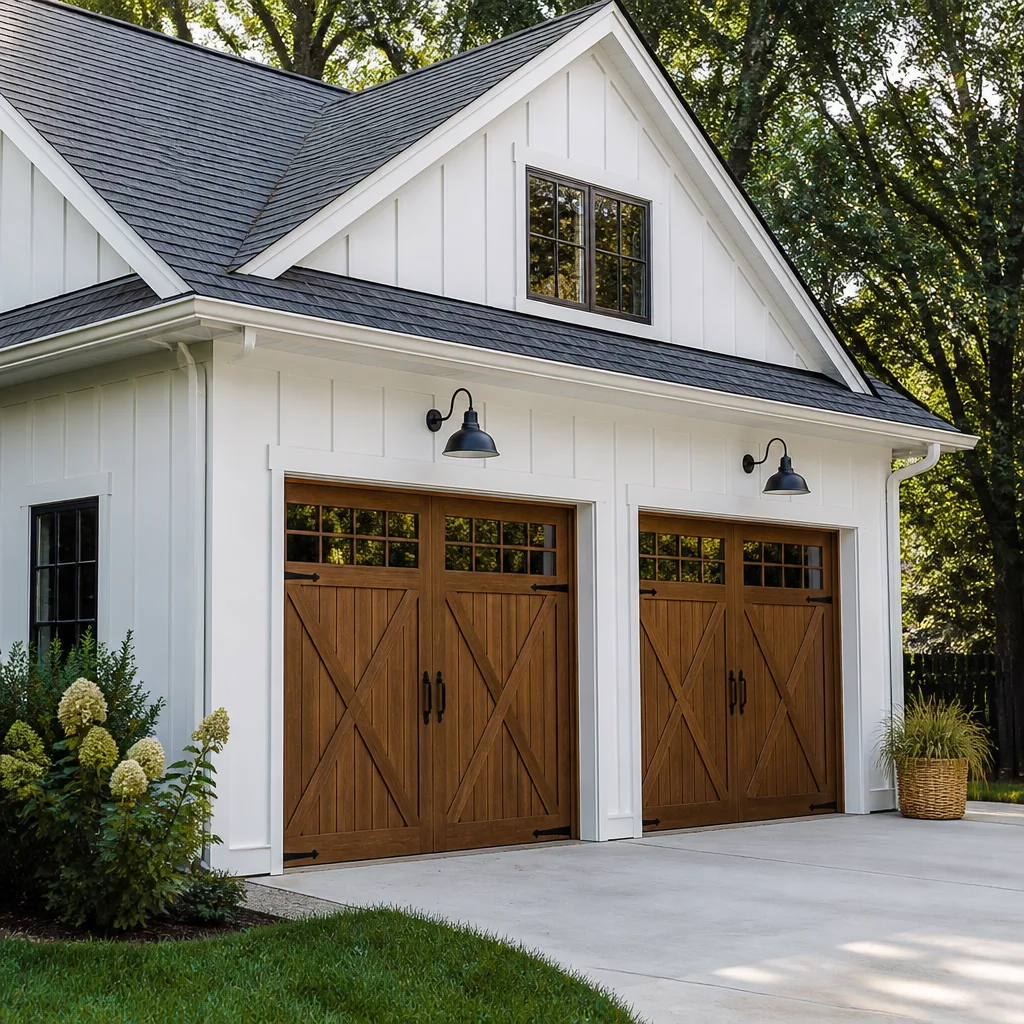 Carriage house
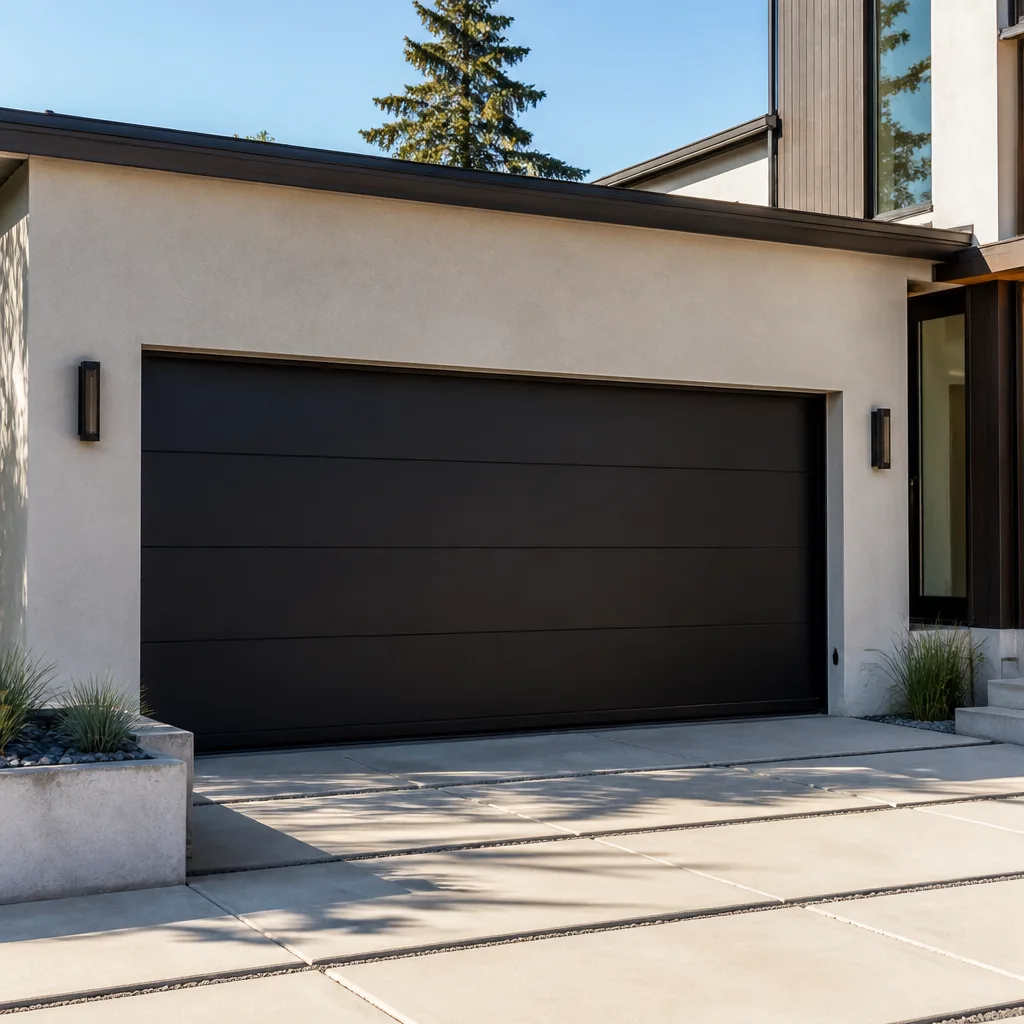 Modern flush
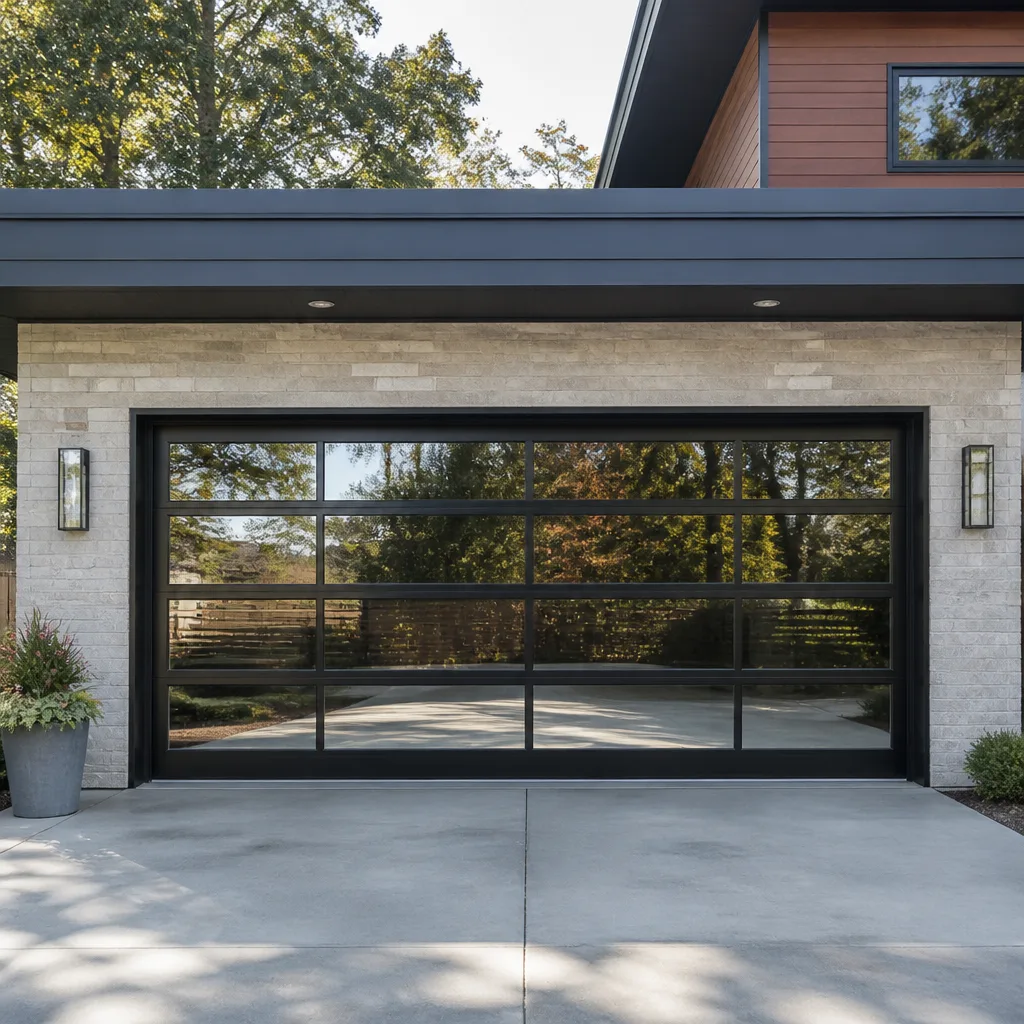 Full-view glass
 LiftMaster openers
 Chamberlain openers
Full 25-point door and opener safety check with every visit - springs, cables, rollers, tracks, and your LiftMaster or Chamberlain opener included
You get a price before we start. It does not change when the pro arrives.
Get your free estimateDIY vs Professional Garage Door: The Glen Burnie Homeowner’s Decision Guide
The garage door is the one part of your house that stores enough energy to hurt you in the half-second it takes to make a wrong adjustment. Torsion springs, in particular, hold tension that most online tutorials gloss over right up until the moment something slips. That’s the gap this guide fills. We’re not here to tell you that you aren’t handy. Plenty of Glen Burnie homeowners are. We’re here to draw the line at the component level, so you know which jobs are genuinely safe to take on and which ones carry mechanical risk that no video can prepare you for. By the end, you’ll know exactly where to put your own effort and where to hand things off.
Quick Answer
Confident homeowners can safely handle the low-risk end of garage door work: lubrication, visual inspections, roller and weather seal replacement, remote and safety-sensor resets, and cleaning the photo-eye lenses. The high-risk components, especially torsion springs, cables, and anything involving the counterbalance system or high-voltage opener wiring, should go to a trained technician no matter how skilled you are with tools. Everything in between (like opener logic boards, track realignment, and panel replacement) is a judgment call based on the specific door in front of you.
Styles & brands we work with
- Raised-panel steel
- Carriage house
- Modern flush
- Full-view glass
- LiftMaster openers
- Chamberlain openers
Table of Contents
- The Risk Ladder: Why “Skill” Is the Wrong Question
- Component-by-Component DIY Viability Ratings
- The Real Cost of DIY in Glen Burnie
- Why Older Glen Burnie Homes Make Installation Trickier
- Maryland’s Homeowner Exemption and Where It Ends
- The Middle-Ground Option: How to Reduce Billable Labor
- Openers and Smart Controls: Where DIY Gets Gray
- Common Mistakes to Avoid
- When to Call a Professional
- Frequently Asked Questions
The Risk Ladder: Why “Skill” Is the Wrong Question
Most DIY-versus-pro debates start with skill. Can you use a drill? Can you follow a diagram? That framing misses the point entirely. The real variable is whether the task stores energy or involves electricity in a way that punishes a small slip. A homeowner with basic tools can do excellent work on the low-risk end of the ladder and still get seriously hurt one rung up. Skill doesn’t protect you from physics.
Here’s how the risk ladder breaks down for a typical residential door:
- Green (safe for confident owners): Lubrication, visual inspection, weather seals, remote programming, safety sensor resets, tightening visible bolts.
- Yellow (judgment call): Roller replacement, track adjustments, opener logic board swaps, belt and chain tension, panel replacement.
- Red (trained technician only): Torsion springs, extension springs, cables, drums, bearing plates, anything requiring the door’s weight to be released or reset.
- Black (never): Cut or modify a torsion spring, replace a cable under load, or bypass safety reverse sensors.
The upper half of that ladder is where the DIY tutorial gap becomes dangerous. A YouTube video might show you how to wind a spring correctly nine times out of ten. What it doesn’t show is the tenth time, when the tension bar slips out of the winding cone and the spring unwinds with the force of the door’s full weight. We’ve seen what that does to hands, wrists, and faces, and it’s the reason trained technicians use specific winding bars and never stand in the path of the spring’s release.
The same principle applies if you’re running garage door repair yourself at any point. The question isn’t whether you can finish the job. It’s whether the consequence of a single mistake is a mechanic’s bill or an urgent-care bill. Since the answer changes at each rung of the ladder, the smart move is to know which rung you’re standing on before you pick up a tool in Glen Burnie.
Component-by-Component DIY Viability Ratings
Every garage door is a system, and each part of that system has its own risk profile. Treating the door as one big “DIY” or “pro” job is where homeowners get into trouble. Here’s how we’d rate the major components for a Glen Burnie homeowner with average tools and reasonable mechanical comfort:
Low Risk – Safe to Handle
- Safety photo-eyes: Cleaning the lenses, realigning the brackets, or replacing a sensor is a screwdriver job with no stored energy. Take it on.
- Remotes and keypads: Programming, battery replacement, and re-pairing are straightforward and deserve your own time.
- Lubrication: Rollers, hinges, and springs benefit from the right lubricant applied periodically. Buy a proper garage-door lubricant, not a household spray.
- Weather seal and bottom threshold: Replacing the rubber astragal at the bottom of the door is a common DIY win and improves efficiency.
- Basic tightening: Loose bolts on hinges and brackets that are clearly accessible and not under spring tension.
Medium Risk – Judgment Call
- Rollers: Individual rollers are replaceable without releasing spring tension, but the door needs to be fully open and the operator disconnected. Know your comfort level before starting.
- Opener belt or chain: Tensioning is doable. Full replacement is a two-person job and requires careful adjustment of the open and close limits.
- Track adjustment: Small alignment tweaks after a bump are often fine. A bent or badly displaced vertical track is not, because the door has to come off the track and the spring has to be neutralized.
- Panel replacement: Replacing a single section of an Amarr or Wayne Dalton door is often possible, but matching the manufacturer, color, and profile takes some research and any panel that supports the spring is off-limits.
High Risk – Requires a Technician
- Torsion springs: The single most dangerous part of any residential system. Torsion springs store torque that can cause a serious injury in the fraction of a second it takes to make one wrong adjustment. These belong in trained hands.
- Extension springs: Safer than torsion because they release differently, but still under heavy tension and prone to failure. Technicians use specific containment practices you won’t find in a tutorial.
- Cables and drums: Cables carry the door’s weight and can snap without warning if they’re fatigued. Never touch a cable while the door has any tension on it.
- Bottom bracket and bearing plates: Both carry spring tension through the door’s frame. Removing either without proper tools and knowledge is a serious injury waiting to happen.
- Opener hardwiring: If you need a new circuit or a high-voltage run for the motor, that’s electrical work. Call an electrician or a technician who handles the full install.
The Real Cost of DIY in Glen Burnie
Homeowners often assume DIY saves money. Sometimes it does. More often, the math tilts back toward a professional once you count the costs that don’t show up on the price tag of a part.
Here’s what a typical “I’ll just do it myself” spring job actually involves:
- Two winding bars: Your first purchase. You’ll need the right diameter for your torsion bar, and cheap ones flex under load.
- The correct spring: Springs are matched to door weight and height. A wrong-rated spring can cause premature failure or leave the door unbalanced and unsafe.
- A C-clamp and locking pliers: Basic tools many homeowners already have, though you’ll want them sized correctly for your track.
- A helper: Most torsion jobs need a second set of hands to support the door while the spring is being wound. That’s another body and another set of eyes on the hazard.
- Retail markup: Parts bought one at a time at retail cost more than what a professional buys in bulk. You don’t get the trade discount.
Add those up and the difference between DIY and professional narrows considerably. The bigger cost driver, though, is the probability that the first attempt has to be corrected. A spring installed at the wrong tension isn’t just wasted work; it’s a door that runs badly, wears out its opener, and might need to be redone entirely. We’ve seen plenty of Glen Burnie calls where the second visit had to undo a first attempt before starting over.
The one thing we’d tell every homeowner to price in: a professional price is quoted and agreed before any work starts. If the spring needs to be paired, we tell you. If the torsion bar looks fatigued, we tell you. You’re not going to get a surprise invoice after the fact, and that predictability has real value when the alternative is a stack of uncertain trips to the hardware store.
Why Older Glen Burnie Homes Make Installation Trickier
Not every garage opening is standard. In Glen Burnie, plenty of homes were built in eras when builders weren’t tied to the 7-, 8-, and 9-foot widths that dominate new construction. That’s fine for a repair; it’s a complication for a full replacement.
Here’s what a non-standard opening actually does to a DIY install:
- Custom-cut panels: Standard-width doors won’t fit. You’ll need a manufacturer that can build to size, which means a longer lead time and higher cost.
- Header and jamb measurements: Older framing isn’t always square or true. If the opening is off by an inch, the new door needs adjustment and the install turns into a carpentry project.
- Headroom: Garage ceilings weren’t always built to accommodate today’s low-headroom or high-lift track configurations. A trained tech knows what to specify at the measure.
- Weather-seal gaps: Older homes often have irregular gaps that a standard seal won’t cover. Custom thresholds or a thicker astragal solves it, but it’s a decision that has to be made before install day.
None of this is to say a confident homeowner can’t research a custom-width door and pull off the install. But the margin for error is much smaller, and the second-visit problem is real: if the door doesn’t fit or the tracks don’t line up, you’ve got a door sitting in its packaging and a car parked in the driveway. That’s why we always recommend a free measure before any replacement decision in Glen Burnie. It’s the cheapest way to learn exactly what you’re up against.
This is also where the brand question comes up. Amarr and Wayne Dalton both offer flexible sizing, and Craftsman replacements are easy to match in standard openings. Which one is right depends on your opening, your budget, and whether you want a smart opener that controls the door from your phone. Our technicians have up to 9 years of experience across all of them, so the selection advice is grounded in what actually fits the house.
Maryland’s Homeowner Exemption: Where DIY Is Legal and Where It Stops
Maryland allows homeowners to perform certain repairs on their own property without pulling a contractor’s license, and that exemption exists for good reason. Small repairs, weather-stripping, and routine upkeep are the kind of work a homeowner should be able to do themselves. Garage door work sits partly inside that exemption and partly outside it, and knowing the boundary matters.
Here’s the practical breakdown:
- Clearly covered by the homeowner exemption: Lubrication, visual inspections, weather seals, roller changes, remote programming, and other low-complexity work.
- Ambiguous, often treated as requiring proper licensing: Spring replacement, cable replacement, opener replacement that involves new electrical work, and full door installation. Some of this is a question of risk, some of a question of code.
- Requires licensed electrical work regardless of the homeowner exemption: Adding a new circuit or outlet for an opener motor. That’s an electrician’s job.
Warranty is the reason this matters beyond the licensing question. Most manufacturer warranties on the door, the springs, and the opener specify that the product must be installed and serviced by a licensed professional to stay in force. Do a spring replacement yourself and you may have technically stayed within the homeowner exemption while technically voiding the warranty. We can work with you and your insurer if a problem comes up, but we can’t reverse a warranty decision the manufacturer has already made.
If you’re planning any work on a door covered by a builder or manufacturer warranty, call the number on the warranty card first and ask what the terms say about self-installation. Ask your city’s building department whether a permit is required for the specific job you’re considering, since permit requirements vary by municipality and change over time. Neither answer takes long to get, and both can save you a headache down the road in Glen Burnie.
The Middle-Ground Option: How to Reduce Billable Labor
There’s a third option most homeowners never consider. Instead of choosing between full DIY and full professional, you can do the low-risk prep work yourself and leave the high-risk portion to a trained technician. That reduces billable labor time and gets the same result with less risk.
Here’s how to approach it:
- Clear the space. Empty the garage bay, move anything from under the door, and make sure the technician can work safely without stepping over things. Small effort, real time saved.
- Document the door. Write down the brand, model, and any labels you can see on the door and opener. This is the single biggest time-saver during the diagnostic phase, and it makes getting the right part on the first visit much easier.
- Do the diagnostics you’re qualified to do. Does the door balance at waist height? Does the opener reverse when you wave something in front of the photo-eye? Does the remote work? The answers narrow the technician’s troubleshooting window.
- Remove the low-risk stuff. Move a single panel or remove a loose roller yourself if you’re comfortable. Leave anything under spring tension alone.
- Have the paperwork ready. Warranty card, install date if you know it, and any prior service records. This is more useful than another cup of coffee.
The logic is simple. Every minute a technician spends moving a bicycle out of the way or guessing at the door model is a minute you’re paying for. Every minute spent on the actual high-risk repair is a minute you should absolutely be paying for. Splitting the job along those lines is how you get the best of both.
It’s the same principle that makes an emergency call shorter. If your door is stuck and you need same-day service, have the tag information ready and clear the bay before we arrive. That’s the difference between a quick fix and a longer visit, and it’s the same whether we’re doing a simple repair or a full spring replacement. You can reach us for garage door spring repair or any other same-day work; estimates are free and the price is quoted before we start.
Openers and Smart Controls: Where DIY Gets Gray
Openers are the part of the system where DIY confidence runs highest and the risk profile shifts in ways homeowners don’t expect. The mechanical work on an opener is usually manageable. The electrical work and the calibration are where things get tricky.
Replacing a failed opener unit with an identical model is often within reach for a homeowner who’s comfortable on a ladder. Swapping to a different brand, adding smart-home controls, or upgrading to a battery-backed unit is where the math changes. Chamberlain, LiftMaster, Genie, and Craftsman each have their own remote protocols and their own limit settings. Get the travel limits wrong by a few inches and the door either stops short of the floor or pushes into it, which wears the panels and strains the operator.
The safety reverse calibration is the piece that matters most. Every opener needs the auto-reverse to be tested and adjusted so it responds correctly when it meets an obstruction. If you install a new unit and skip that step, the door can close on a child, a pet, or a car with serious force before the system stops. Adjusting the limits is not hard; knowing when they’re right is where experience counts.
Openers that fail urgently, like when a motor burns out and you can’t get your car out, are worth calling in for garage door opener repair the same day. A dead motor usually turns out to be a logic board, a capacitor, or a stripped gear, and the right fix depends on which. We stock knowledge of the legacy openers still common in older Glen Burnie homes and the smart-compatible systems that have replaced them, so we can diagnose accurately rather than swapping parts.
Common Mistakes to Avoid
- Winding a torsion spring without proper bars. Screwdrivers and pry bars can slip out of the winding cone, and the spring releases with enough force to break a wrist. Use proper winding bars or don’t touch the spring.
- Bypassing the safety reverse sensors to “make it work.” It’s tempting when the door keeps reversing for no clear reason. It’s also the single most common cause of a serious door-related injury in the home, and it voids most manufacturer warranties on the opener.
- Buying a spring by door width alone. Springs are matched to door weight and height, and the correct spec lives on the door’s manufacturer label, not on a chart from a hardware store. A Glen Burnie home with a heavier or taller door needs the right spring or it’ll fail prematurely.
- Installing a standard door in a non-standard Glen Burnie opening. Older homes often have widths and heights that don’t match today’s off-the-shelf doors. Measure twice, and if the numbers don’t match a standard size, price a custom door before you buy anything.
- Ignoring a bent track until the door won’t close. A small bend becomes a full derailment over weeks. If the track looks off, address it now rather than after the car is trapped inside.
- Assuming a generalist handyman is qualified. Garage doors are their own trade with their own tooling and their own safety rules. A handyman who’s good at plumbing may never have wound a torsion spring in their career.
- Skipping the warranty read before DIY. Manufacturer warranties on doors and openers commonly require licensed installation. Do a spring or opener install yourself and you may find out about that requirement the day you need the warranty.
When to Call a Professional
Call a professional when the job involves the counterbalance system (springs, cables, drums, bearing plates), when the door needs to come off its tracks for realignment, or when a new opener requires electrical work you aren’t licensed to do. Call when the door is visibly damaged and you’re not sure if it’s safe to operate. Call when the manufacturer warranty on your door or opener is still in force, since most require licensed installation. And call when you’re not sure; a phone consultation is cheaper than an urgent-care visit.
Glen Burnie Garage Door Repair offers free estimates in Glen Burnie. Call (877) 820-9449 to book a same-day visit for a repair or a scheduled measure for a full replacement. Emergency calls are part of what we do, not an exception. The phone is the fastest way to sort out whether your door is a DIY job or a pro job, and which rung of the risk ladder you’re actually on.
You can start with a general look at Glen Burnie Garage Door Repair if you want to see the full range of services and brand coverage. From there, a short call usually settles the question.
Frequently Asked Questions
You shouldn’t. Torsion springs store the full weight of the door as torque, and the winding process requires specific bars and techniques that tutorials rarely cover completely. Maryland’s homeowner exemption may technically allow some spring work on your own property, but the injury risk and the warranty void risk both make it a job for a trained technician. Call (877) 820-9449 for a free estimate on spring replacement.
Lubrication, weather seal replacement, roller changes, remote programming, safety sensor resets, and visual inspections are all reasonable DIY tasks for a confident homeowner. These jobs involve low stored energy and don’t affect the door’s counterbalance. Anything involving springs, cables, drums, or high-voltage wiring should go to a technician.
It can. Most manufacturer warranties on doors and openers, including popular brands like Amarr and Wayne Dalton, require installation by a licensed professional. Read the warranty card before starting any install, and call the manufacturer if you’re uncertain. A spring replacement done by a homeowner can void the spring warranty even if the door’s structural warranty stays intact.
Spring replacement pricing depends on the door’s size, weight, and whether one spring or a matched pair is being replaced; a matched pair is usually replaced together and costs roughly twice a single spring. We quote the price in writing before any work starts, so there’s no surprise once the technician gets into the job. Call (877) 820-9449 for a free estimate; the written quote is the price you pay.
Yes, for most repair calls. Broken springs, dead opener motors, doors off the track, and similar urgent problems are usually handled the same day. Full replacements, new-door installs, and any job that involves ordering parts are measured and scheduled rather than done same-day. Call (877) 820-9449 to check availability and get a free estimate.
Older homes were often built before today’s standard widths and heights became common. That means off-the-shelf doors may not fit and a new door has to be built to measure. A free measure before you buy anything will tell you exactly what you’re dealing with and save you from a costly return or a door that sits in the garage.
The Bottom Line
The DIY-versus-professional question for garage doors isn’t about how handy you are. It’s about which part of the door you’re working on. Lubrication, seals, rollers, sensors, and remotes are solid DIY territory. Torsion springs, cables, drums, bearing plates, and any electrical work belong with a trained technician, regardless of skill level. Price the full cost of DIY before you decide, including tools, retail parts, and the real chance of a correction call. And check your manufacturer warranty before you pick up a wrench. If you’re not sure which rung you’re on, call (877) 820-9449 for a free estimate in Glen Burnie. The written quote is the price, and the price is agreed before work starts.
Written by the team at Glen Burnie Garage Door Repair.
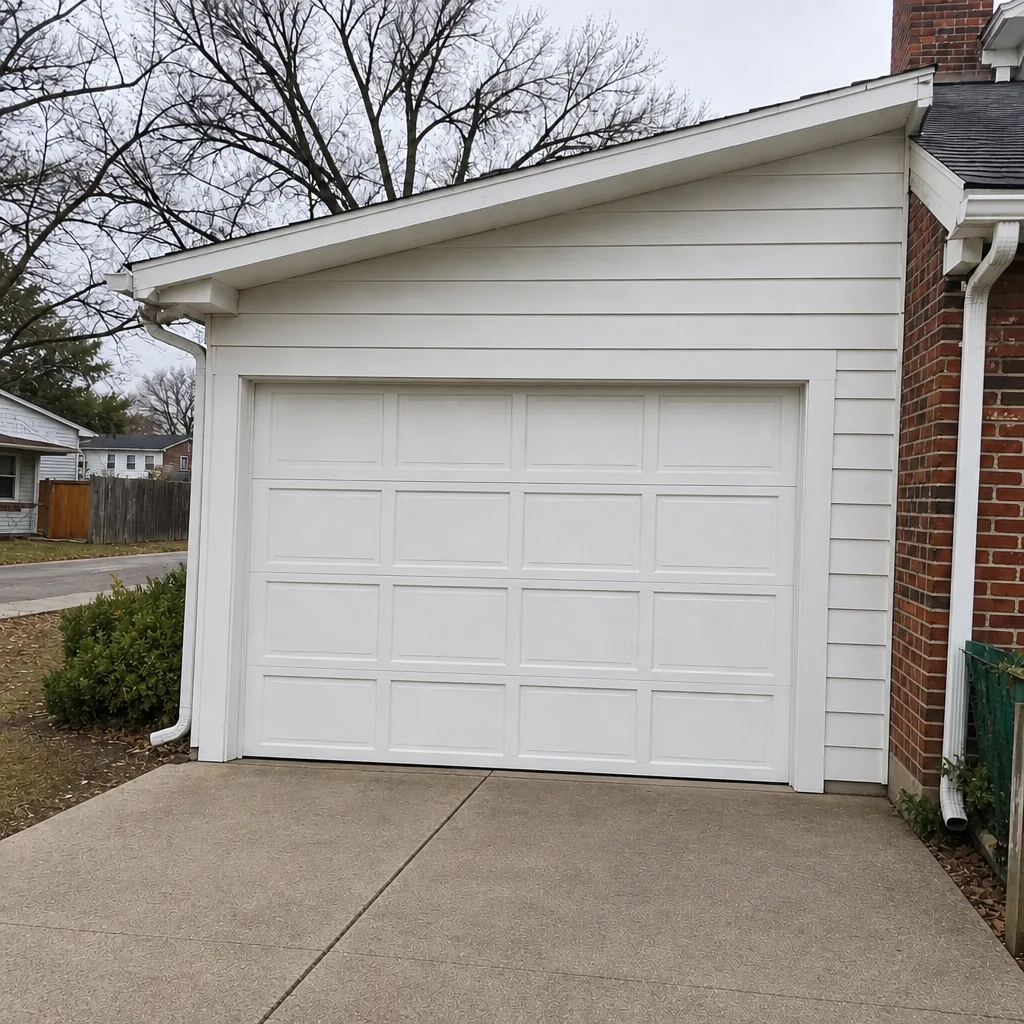
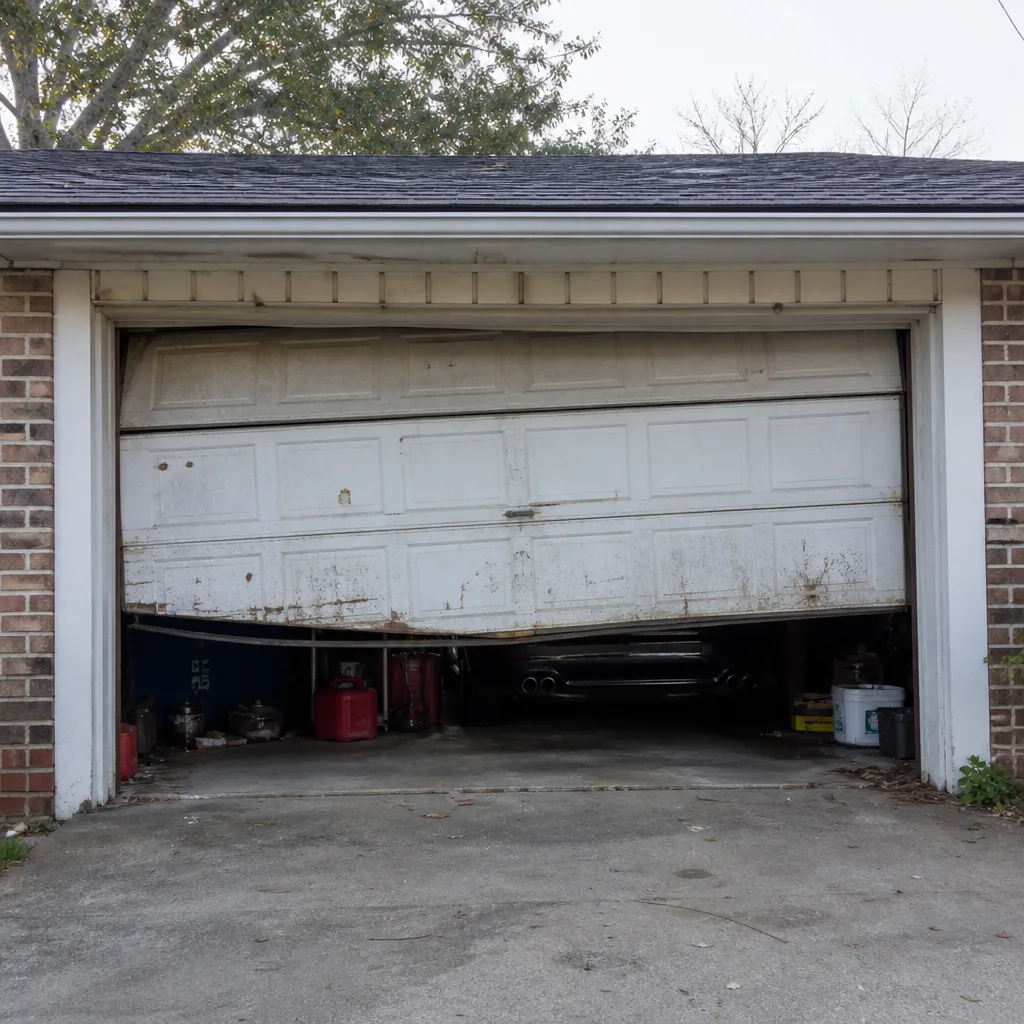
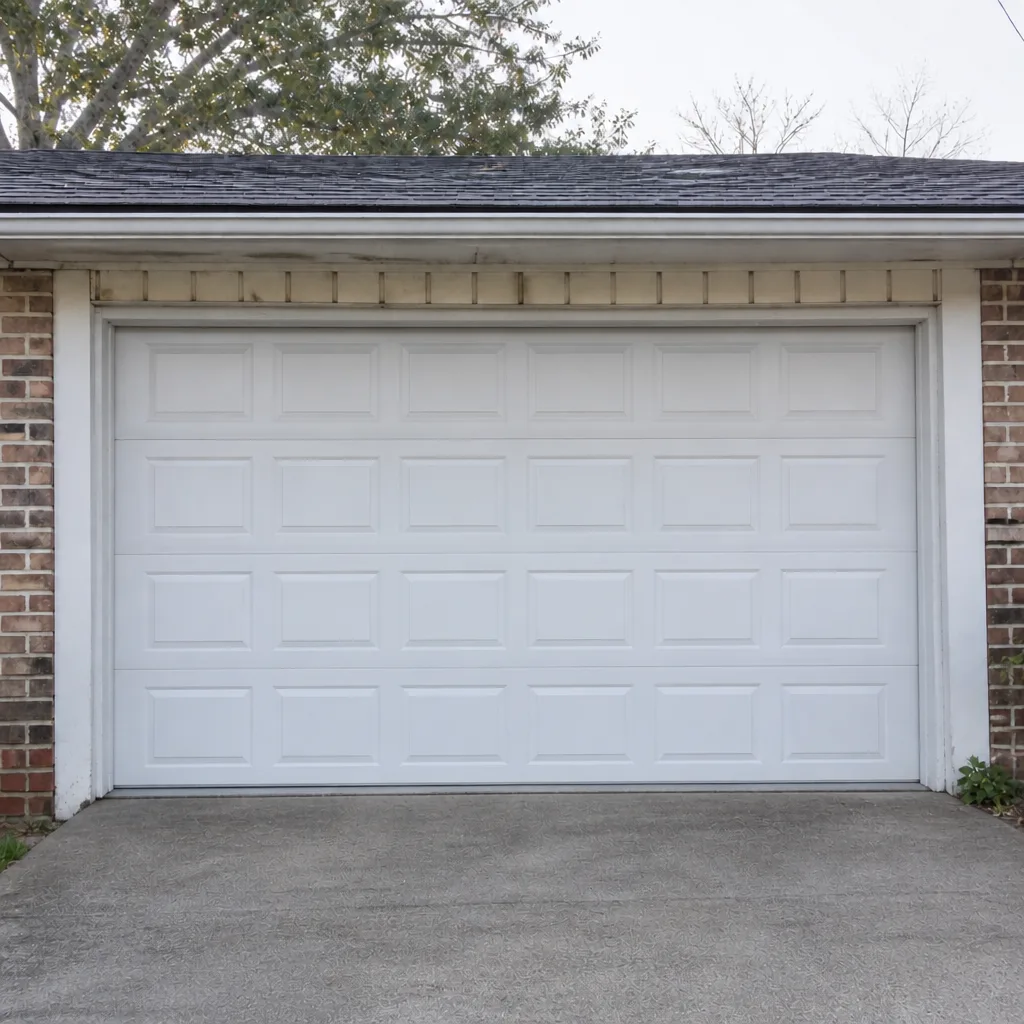
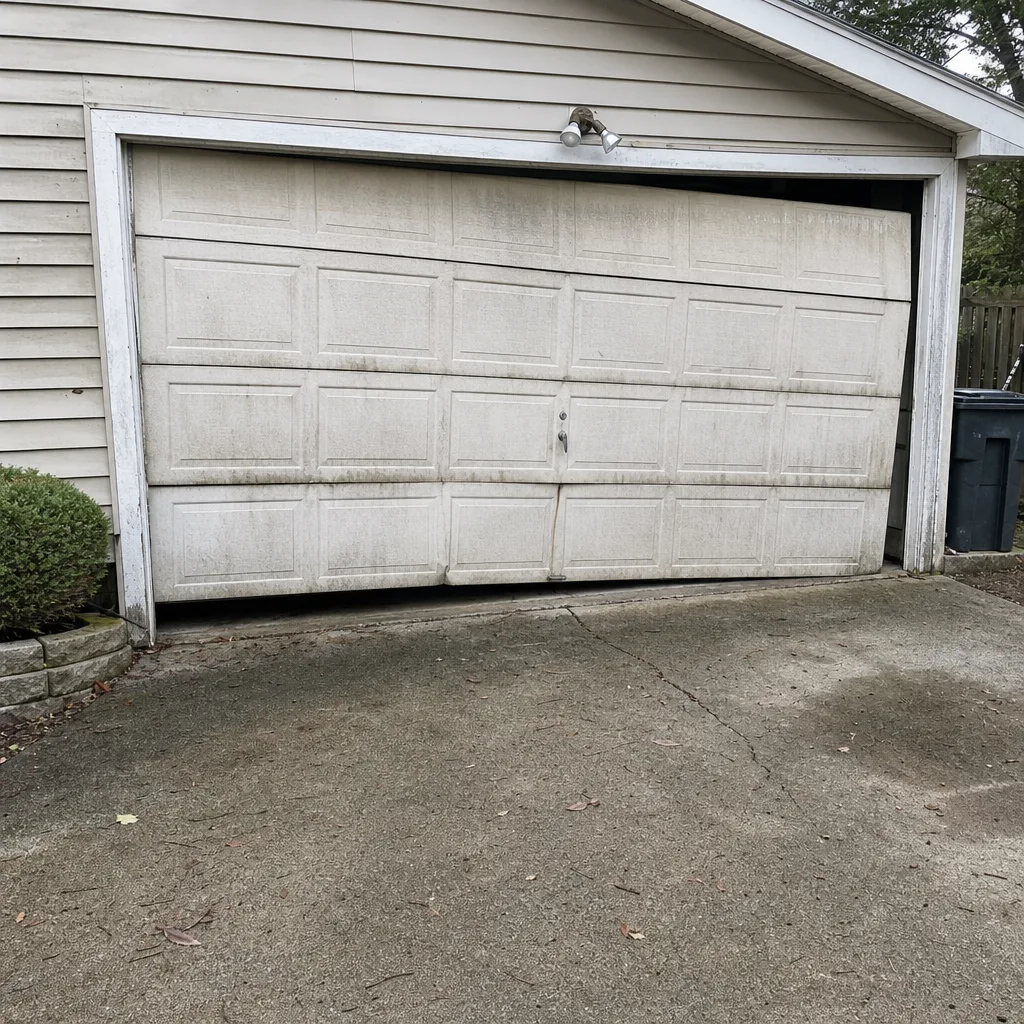
See the difference
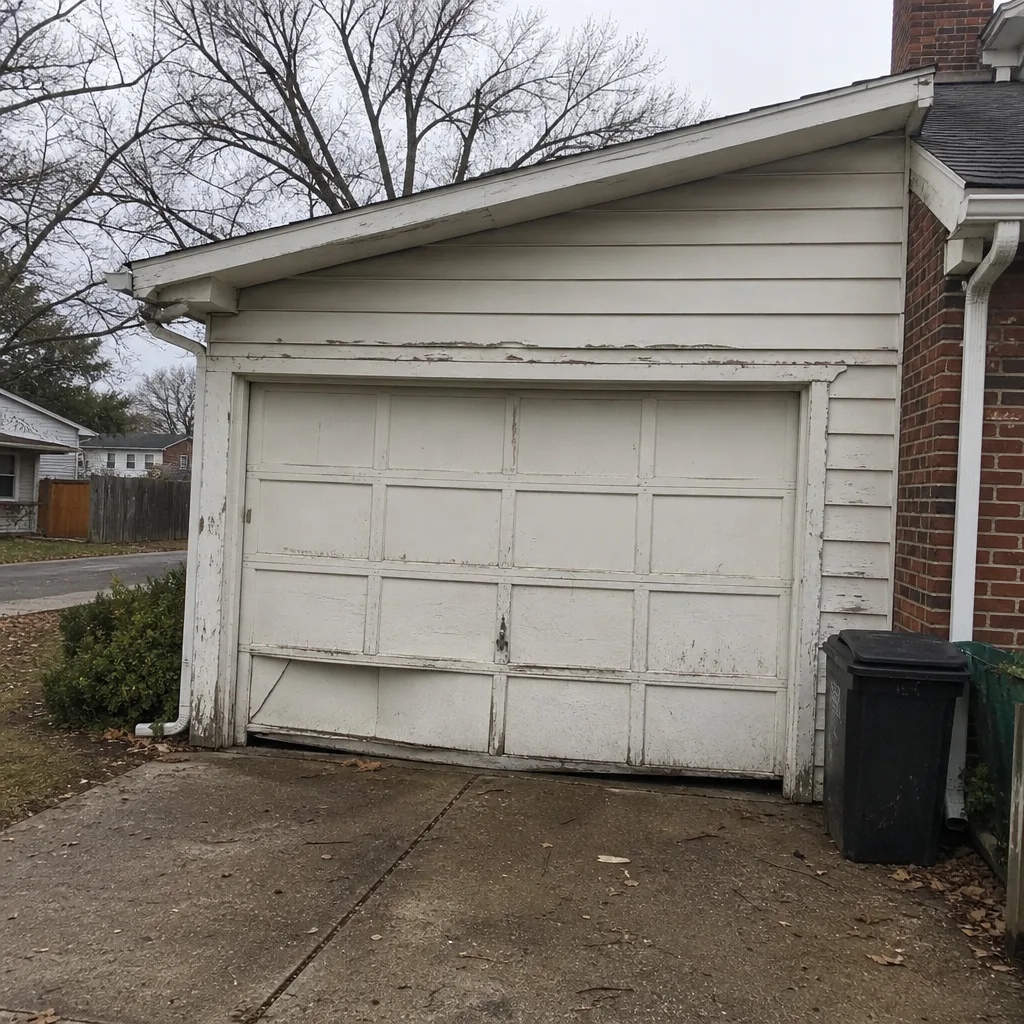 Before
 After
 Before
 After
 Before
 After