Last updated November 23, 2026
 Raised-panel steel
 Carriage house
 Modern flush
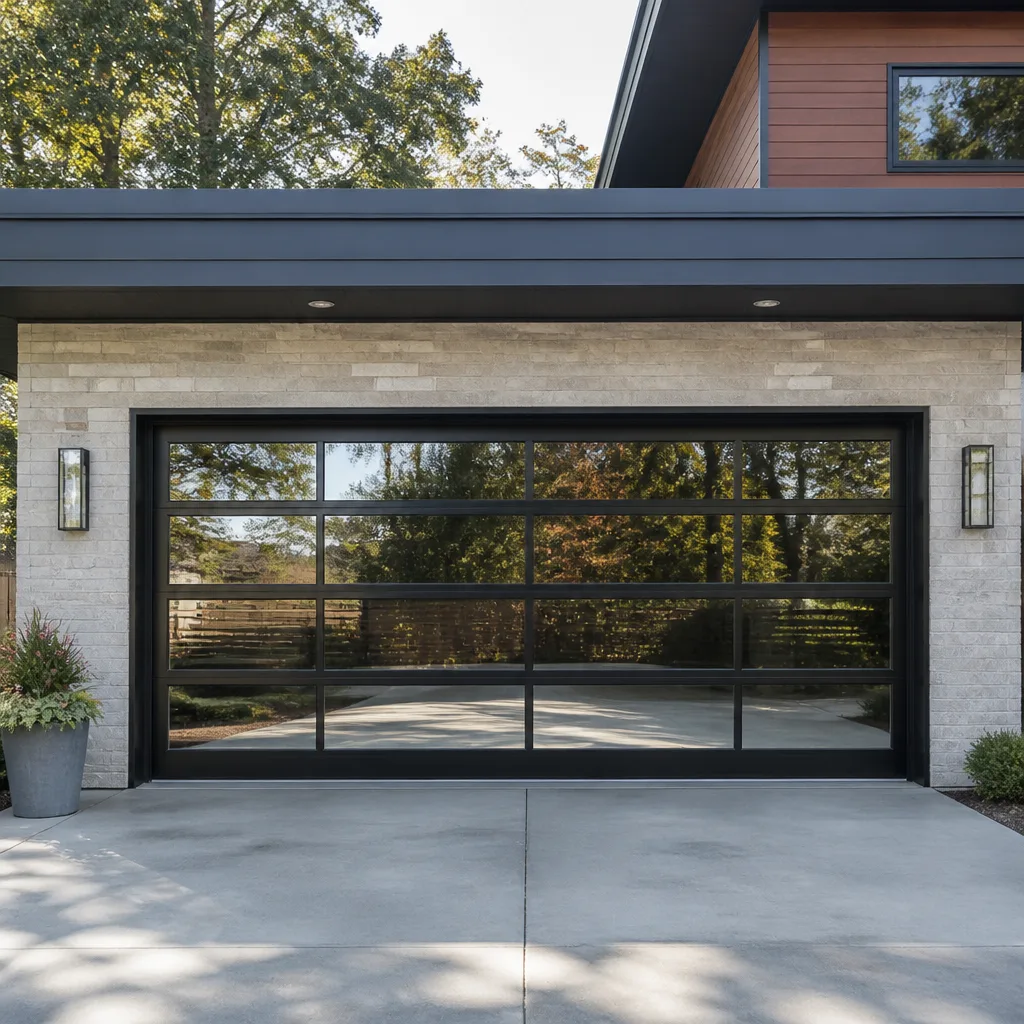 Full-view glass
 LiftMaster openers
 Chamberlain openers
Full 25-point door and opener safety check with every visit - springs, cables, rollers, tracks, and your LiftMaster or Chamberlain opener included
You get a price before we start. It does not change when the pro arrives.
Get your free estimateGarage Door Permits, Codes & Inspections in Glen Burnie, MD: What You Need to Know
Here’s the part of a garage door replacement that surprises most Glen Burnie homeowners: the county cares much less about your door than you’d expect, and much more about what you attach it to. You can hang a new door on the same tracks with no paperwork at all. But the moment you change the opening itself – the header, the framing, the width of the rough opening – you’ve crossed a line that matters to Anne Arundel County, to your insurer, and eventually to whoever buys your house. Most people who replace a door skip the permit and nothing happens. But when it does matter, the problem costs far more than the permit ever would. This guide walks through exactly which garage door projects need a permit here, how the county process actually runs, what inspectors look for, how HOA approval fits in alongside it, and how unpermitted work surfaces years later during a title search.
Quick Answer
In Glen Burnie and the rest of Anne Arundel County, a straight door swap onto the existing structure generally doesn’t require a permit, but anything that changes the structural opening – widening it, replacing a header, altering framing or adding a new garage door opening – needs a building permit pulled through the county before the work starts. Because the rules hinge on structure rather than the door itself, the reliable move is to call Anne Arundel County’s building department and describe your exact project before you schedule anything. A permit typically costs a modest flat fee, and it’s what protects you at resale and in an insurance claim.
Styles & brands we work with
- Raised-panel steel
- Carriage house
- Modern flush
- Full-view glass
- LiftMaster openers
- Chamberlain openers
Table of Contents
- Which Garage Door Projects Need a Permit in Anne Arundel County?
- What’s Usually Exempt (and Why the Answer Still Depends on Your Garage)
- How to Submit a Permit Application Through the County Portal
- How Long the Permit and Inspection Process Really Takes
- What Inspectors Check and How to Prepare
- HOA Approval in Glen Burnie: It Runs Parallel to the County
- How Unpermitted Garage Door Work Shows Up on a Title Search
- What Permits Cost and Who Handles the Paperwork
Which Garage Door Projects Need a Permit in Anne Arundel County?
The rule of thumb in Glen Burnie is simple: if the work changes the structure of the garage, it needs a permit. If it only changes the door and its hardware, it usually doesn’t. The door is a swinging or rolling panel. The opening is the framed hole it sits in. Those are two different things in the eyes of the county, and the paperwork follows the opening.
Projects that generally require a building permit:
- Replacing or modifying the header above the garage door opening
- Widening or raising the rough opening
- Converting a non-garage wall into a garage opening, or closing an existing opening in
- Structural framing repairs around the opening, including rotted or damaged framing that transfers load
- Adding a new garage structure or an attached carport
- Changing the door system from a tilt-up to a sectional door where the framing or tracks must be reconfigured
Projects that are typically exempt:
- Swapping a same-size sectional door onto the existing tracks and framing
- Replacing torsion or extension springs (a repair, not an alteration)
- Replacing or upgrading a garage door opener, including a modern LiftMaster or Chamberlain unit with a belt drive
- Replacing rollers, hinges, cables or weather seals
- Painting, staining or otherwise refinishing a door
Anne Arundel County’s code follows the general building code approach that a door replacement in kind is maintenance, while anything affecting structural members, egress or the building envelope goes through permitting. Glen Burnie has a lot of older housing stock with garages added later, so we’ve learned not to assume the current opening matches the original permit history. If a prior owner widened or cut the opening without paperwork, you may be the one who inherits it. If you’re not sure where your project falls, call the county’s building department with the details – the phone call takes minutes and settles it definitively. For a pure repair on a door that won’t close right, you want garage door repair rather than a permitting conversation, since no structural change is happening.
What’s Usually Exempt (and Why the Answer Still Depends on Your Garage)
Exempt projects are more common than permitted ones in Glen Burnie, and that’s good news for most homeowners. A spring failing or an opener dying is a repair, and repairs happen without permits. That’s why a late-night call about a door stuck halfway up usually ends in fixing it, not filing it. A garage door spring repair is the most common emergency we see, and it’s also one of the clearest examples of exempt work, because nothing about the structure changes.
But “usually exempt” isn’t “always exempt,” and the local details can flip the answer:
- Same size or not? A door that goes back into the same opening at the same dimensions is normally a swap. Change the width or height and you’re into framing, which is a permit.
- What’s behind the drywall? Glen Burnie has plenty of garages where a previous owner removed a wall or added an opening without telling anyone. If the framing around your opening doesn’t look original, ask before you proceed.
- Is your garage attached or detached? Attached garages share a load path with the house, so structural changes to an attached garage opening get more scrutiny on inspection than a detached one.
- Is there a finished room above? Garages with living space above carry the header load of both floors, and any change to that header needs a permit and an inspection.
- What does your insurer want? Regardless of county rules, your homeowner’s policy may have its own expectations for modifications. Check before, not after.
Honestly, the safest stance is to describe your project to the county in plain terms and ask. That’s what an experienced contractor does, and it’s what we walk Glen Burnie homeowners through when a repair conversation turns into a replacement one. Most of the time the answer is “no permit needed,” and you get on with it. No contractor should be doing the guessing for you either – if a company is telling you “no permit needed” without discussing structure, ask them to slow down.
How to Submit a Permit Application Through the County Portal
Anne Arundel County runs its permits through an online portal, and for a straightforward garage door structural permit, the process is manageable. Here’s the sequence in the order it generally happens:
- Confirm you need a permit. Describe the project to the county first. Don’t submit a commercial or alteration application until you know which one fits.
- Gather documents. You’ll typically need a site plan or basic drawing showing the garage, a scope of work, contractor information, and for anything structural, a description of the framing work.
- Register in the county’s online portal. Anne Arundel County has moved permit applications, fee payment and inspection scheduling into its online system. Set up an account if you don’t have one.
- Submit the application and pay the fee. The fee depends on the scope and permit type; a simple alteration is one thing, a structural change is another. The portal shows the fee before you submit.
- Respond to any plan review comments. Routine garage door work usually doesn’t trigger a full plan review, but structural openings can. If a reviewer asks for a clarification, provide it promptly so the application doesn’t stall.
- Get the permit issued before work starts. The permit number stays visible at the site. Don’t start framing before the permit is in hand.
- Schedule inspections through the portal as the work progresses, then close the permit once everything passes.
None of this is exotic. It’s the same process used for any other residential alteration in Anne Arundel County, and once the application is in, you can track it online. If you’re replacing a door onto existing framing, you’ll skip this entirely. If you’re altering the opening, schedule the work to follow the permit, not the other way around.
How Long the Permit and Inspection Process Really Takes
Routine garage door structural permits in Glen Burnie move through in about the same window as other small residential alterations: usually a couple of weeks from submission to issuance, sometimes faster. The variables that stretch it:
- Plan review comments. If the reviewer needs an engineer’s detail or a clarification on framing, the clock pauses until you respond. These usually resolve quickly, but they add days on each round.
- Seasonal permit volume. Spring and early summer are busy for the county, and turnaround lengthens when submissions spike.
- Missing documents. The most common delay is an incomplete submittal. Get the site plan and scope of work right the first time.
- Inspection scheduling. Once issued, the work usually needs one framing inspection and then a final inspection. Schedule the first as soon as the work is at the right stage, not the day before you plan to close it out.
For a full door replacement (no structural change), there is no permit timeline at all. The relevant timeline is manufacturing and scheduling: doors are ordered to the exact size of your opening and arrive when they arrive. In Glen Burnie, custom sizes from brands like Clopay or Raynor can take longer than stock sizes, so if you’re planning a replacement, order early and don’t confuse “the door is on order” with “the permit is in review.” They’re two separate clocks, and on a well-run project both finish before the install date.
One thing we insist on: the written quote comes before anything is ordered or any paperwork is pulled. You should know exactly what the job costs, what the permit (if any) adds, and what the scope covers before anyone touches the garage. Surprises on permit fees are avoidable; surprises on invoices should be too.
What Inspectors Check and How to Prepare
A garage door inspection isn’t about your door. It’s about what supports it. That distinction trips up homeowners who’ve spent a lot of money on a beautiful door and assume the inspection is a beauty contest. It isn’t. Here’s what actually gets looked at when the county sends an inspector out on a permitted structural project in Glen Burnie:
- The header. Inspectors check the size and condition of the header beam above the opening, and whether it’s actual structural lumber rated for the load. Aesthetic trims don’t count.
- Framing and studs. The framing around the opening has to match the permitted drawings. If the framer deviated, an inspector will catch it.
- Load path. How that opening transfers load up to the ceiling and down to the floor matters. On an attached garage, the load path includes the shared wall to the house.
- Fasteners and connections. Hangers, brackets and the way the header connects to the framing are checked. Loose or undersized connections are a common fail.
- Fire separation. If the garage shares a wall with living space, the fire separation between the two is part of the inspection. This is often overlooked by homeowners.
- The door system itself, lightly. Usually, the inspector confirms the door is installed and operating and that the overall installation matches the plan. Detailed mechanical checks aren’t the point of a structural inspection.
How to prepare so you don’t fail and reschedule:
- Have the approved permit on site and visible.
- Keep drawings and any engineer details accessible, not buried in a truck.
- Clear access to the interior face of the header and framing.
- Make sure the framing is actually complete on the day of the inspection. Partial work gets sent back.
- Write down questions in advance. Inspectors are typically happy to clarify; scheduling a second visit is the expensive part.
The good news: a permitted, well-built garage door opening almost always passes on the first visit. The failures we hear about tend to come from unpermitted work that gets discovered later, not from work done under a proper permit. If you’d like the door itself checked while you’re sorting the paperwork out, garage door opener repair and door adjustment are things we handle in the same visit.
HOA Approval in Glen Burnie: It Runs Parallel to the County
Plenty of Glen Burnie neighborhoods are governed by HOAs, and this is where a lot of good permit projects get derailed. HOA approval and county permitting are two separate processes, and you need both when both apply. Getting county approval does not satisfy your HOA, and HOA approval does not satisfy the county.
What HOAs typically control when it comes to garage doors:
- Color and finish. The door color is one of the most commonly restricted items. Even when the county could not care less, your HOA may have a specific palette.
- Style and panel profile. Changing to a carriage-house style when your neighborhood is uniform raised-panel is often declined.
- Window and hardware changes. Adding windows, decorative handles or hinges usually needs prior approval.
- Material changes. Switching from wood to steel, or from one brand to another, can move the look enough to trigger a review.
How the two processes run in parallel:
- Submit the HOA architectural request with product specs and photos before you order the door.
- At the same time, confirm with the county whether your project needs a permit.
- Once both the HOA has approved and the county permit is issued (if needed), order the door and schedule the install.
- Keep copies of both approvals. You’ll want them at resale.
HOAs in Glen Burnie vary widely in how strict they are, and the turnaround can be quick or slow depending on the board’s meeting schedule. Assume weeks, not days. If you’re not sure whether your subdivision has design rules, look at your closing documents or ask a neighbor who’s replaced their door recently. It’s a five-minute conversation that can save a rejected door order. When we quote a replacement, we always ask about HOA approval up front, because a custom order that gets rejected after delivery is a costly and avoidable problem.
How Unpermitted Garage Door Work Shows Up on a Title Search
Here’s where a skipped permit has a long tail in Glen Burnie’s resale market. When a property is sold, a title search turns up the record of permits pulled against the address, and the absence of a permit for work that clearly changed the structure can become a real issue. Not always. But when it does, the buyer’s lender or inspector is the one raising the flag, and it becomes the seller’s problem to solve.
What typically happens when unpermitted structural work is discovered during a sale:
- The buyer’s inspector flags the change. A widened opening or a replaced header that doesn’t match the county’s records usually gets called out in an inspection report.
- The buyer’s lender may refuse to fund until the discrepancy is resolved, usually by obtaining a retroactive permit (where possible) or an engineer’s letter.
- The closing gets delayed. Pulling a retroactive permit means an inspection of work that’s already finished, which can mean opening framing back up if the inspector can’t verify the work.
- Negotiating leverage shifts. An unpermitted issue is a known quantity the buyer can use to renegotiate price or demand a credit.
- Insurance claims get complicated. After a storm, an insurer that sees a structural change without a permit may choose to cover less. A permit and inspection record is what lets you avoid that argument.
None of this is meant to spook you out of replacing your door. Most replacements never touch the structure and never have this issue. The point is different: if your project involves structural change, the permit is the cheap part. It’s the paperwork that lets you prove to a future buyer, a future insurer and a future inspector that the work was done right. In a Glen Burnie market where buyers are careful and inspectors are looking, a clean permit record is worth more than any upgrade. If you’re buying a house and want the garage door system looked over before you commit, we can walk through it with you – Glen Burnie Garage Door Repair covers the whole county.
What Permits Cost and Who Handles the Paperwork
For a small residential alteration like a garage door opening change, Anne Arundel County’s permit fee tends to be modest – often well under a few hundred dollars, sometimes in the low double digits for narrow scopes. The exact amount depends on the scope and the application type, and the county’s online portal shows the fee before you submit. That’s one of the good things about the portal: you know the cost before you commit.
What that fee does not cover:
- The engineering letter if the county asks for it (sometimes required for a header change)
- Inspection scheduling and any re-inspection charges if something doesn’t pass
- The labor piece, if the framing needs adjustment before it can be signed off
- HOA review fees if your subdivision charges them
Who pulls the permit in practice:
- The contractor pulls it for work they perform, and their name goes on the permit. This is the normal route and the one we recommend.
- The homeowner pulls it when doing the work themselves or managing trades directly. That’s allowed but puts the inspection responsibility on you.
- Nobody pulls it, because the scope didn’t require one. That’s the most common situation for a standard replacement.
The best path for most homeowners is to get a clear scope in writing, confirm with the county whether it requires a permit, and let the contractor carry the application process from there. Whatever we quote is agreed before work starts, and if the permit fee is part of the job, it’s in the quote up front. We don’t change the price after the fact, and we don’t leave permit costs to sort out later.
Common Mistakes to Avoid
- Assuming every garage door replacement needs a permit. Most don’t. The county cares about structure, not the door itself, so don’t waste the review cycle on a project that doesn’t need it.
- Assuming no project ever needs one. The opposite mistake. A widened opening or header change needs a permit, and skipping it is the thing that surfaces at resale.
- Treating HOA approval as a substitute for county permitting. In Glen Burnie’s HOA subdivisions, these are two separate processes with two separate approvals. You need both, not either.
- Ordering the door before HOA sign-off. A rejected custom door can’t be returned. Get the architectural request approved first, then order.
- Starting framing before the permit is issued. Inspectors can’t sign off on work that was concealed before they saw it. The permit must be in hand before the first cut.
- Calling an inspector without preparing. If the framing isn’t complete or the approved drawings aren’t on site, the visit is wasted and a re-inspection gets scheduled. Have it ready on the first visit.
- Assuming previous work was permitted. Older Glen Burnie homes often have openings that don’t match any permit record. If you’re buying or selling, look before you assume.
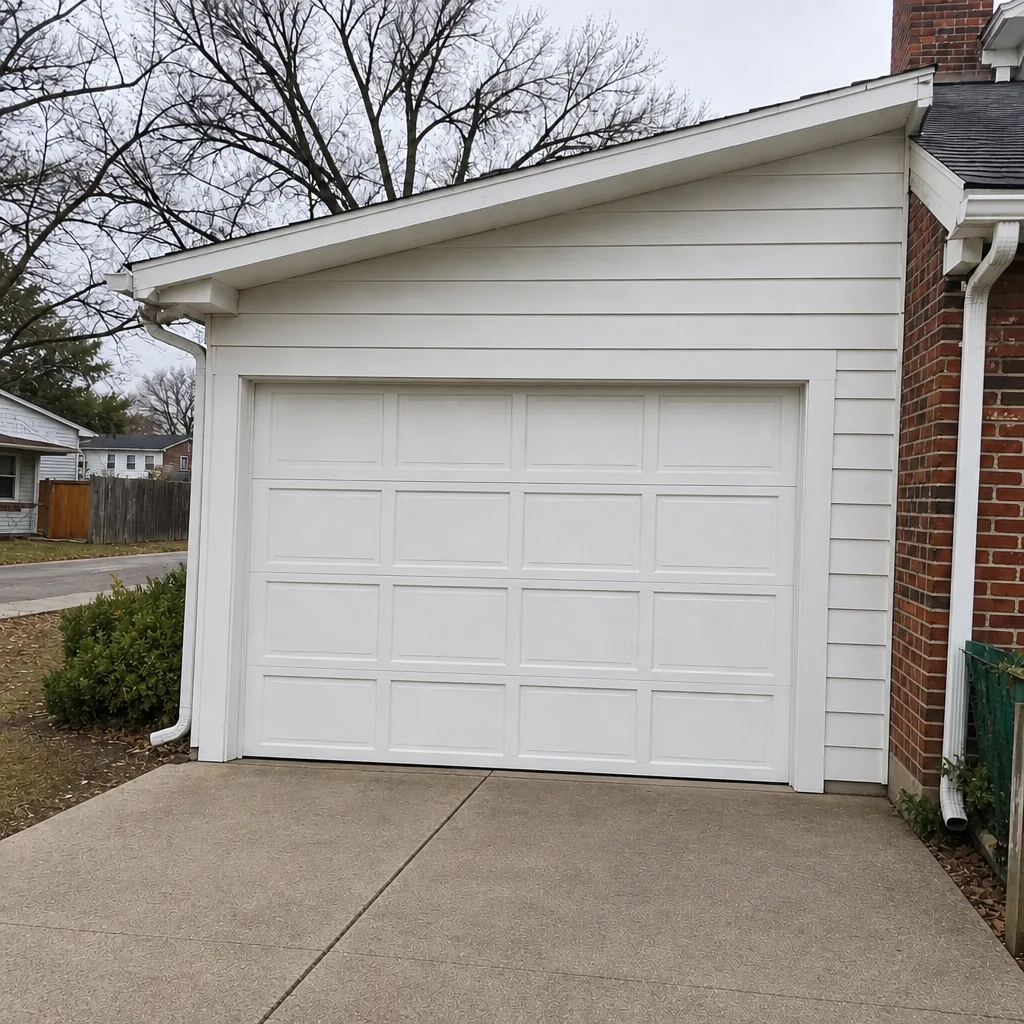
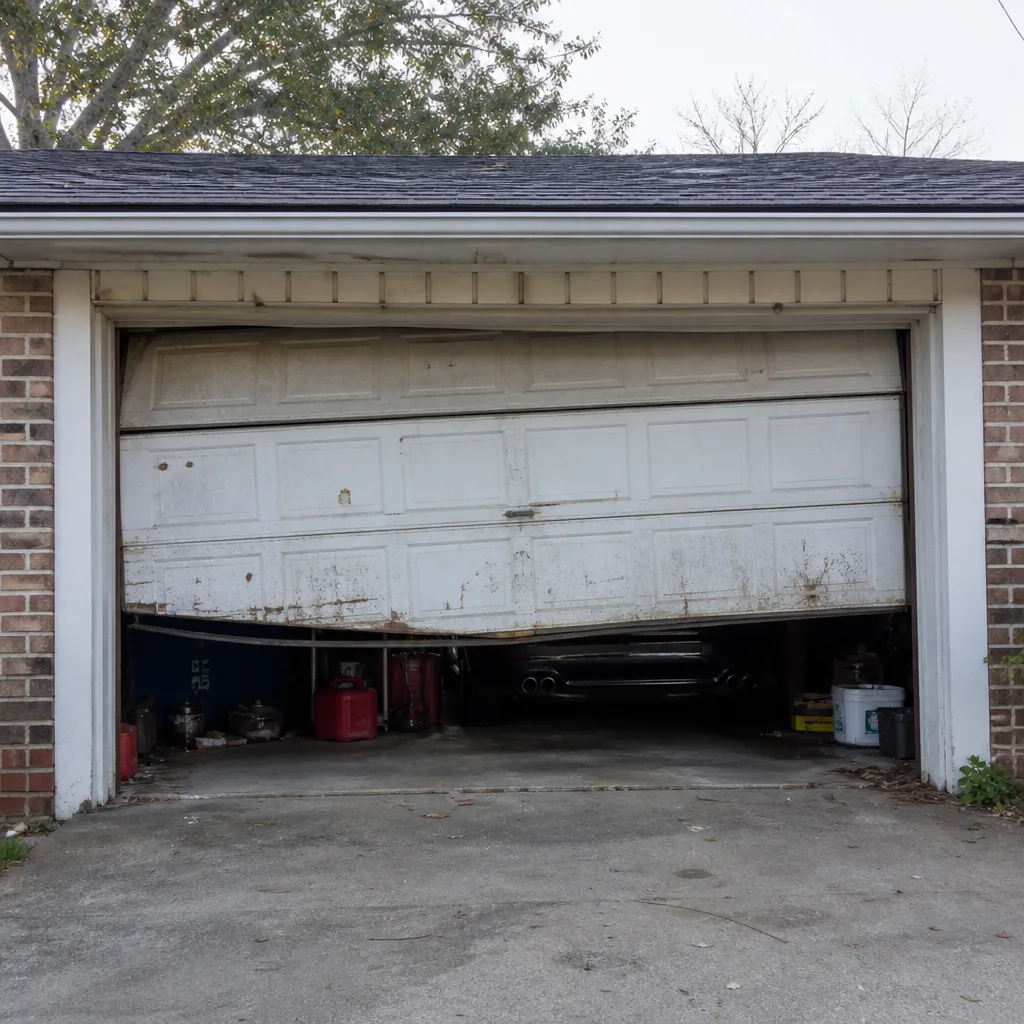
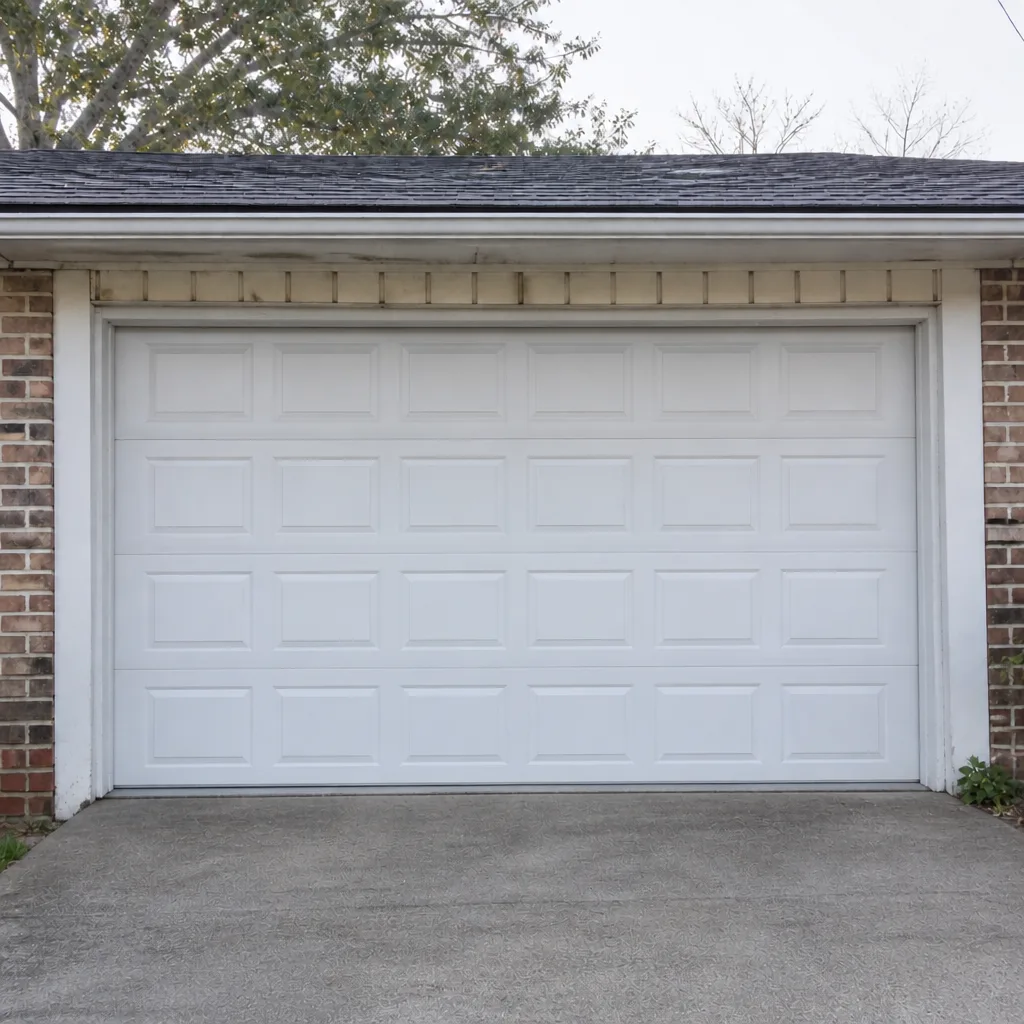
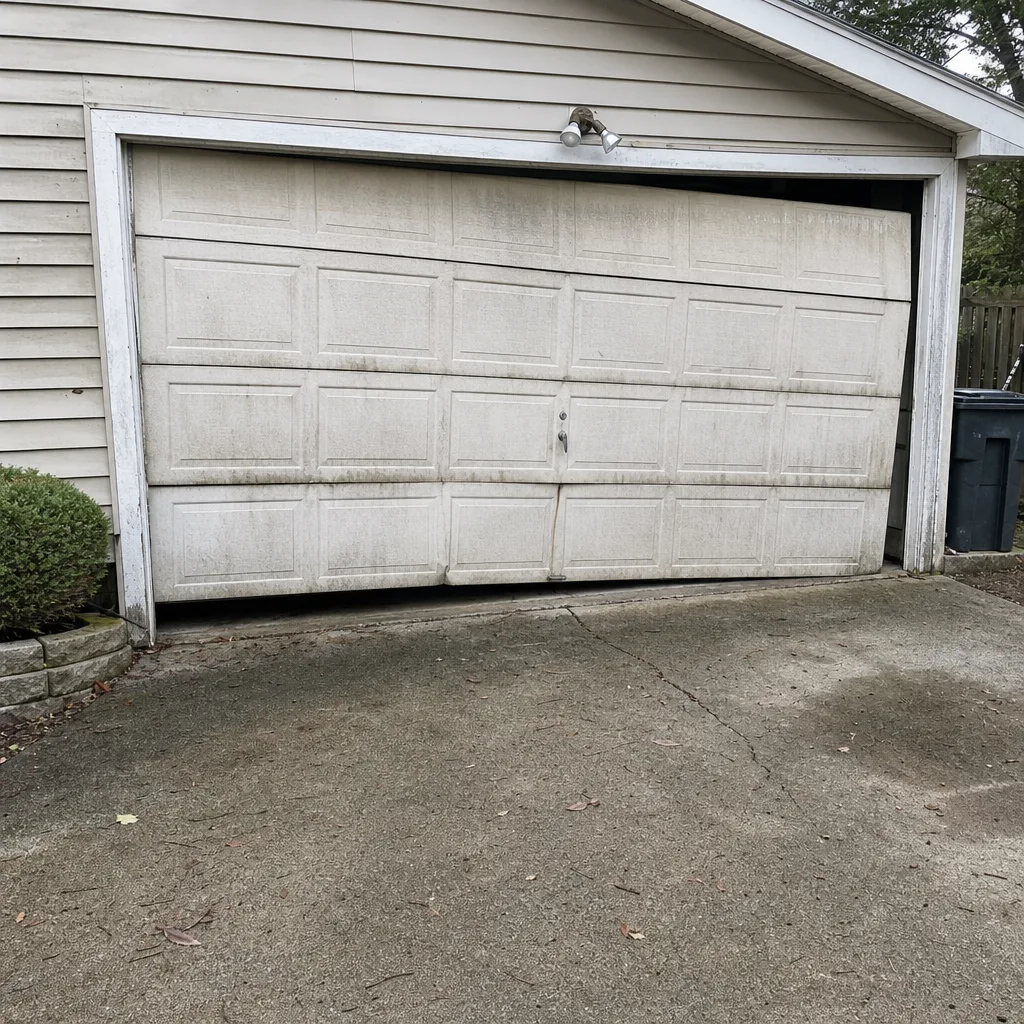
See the difference
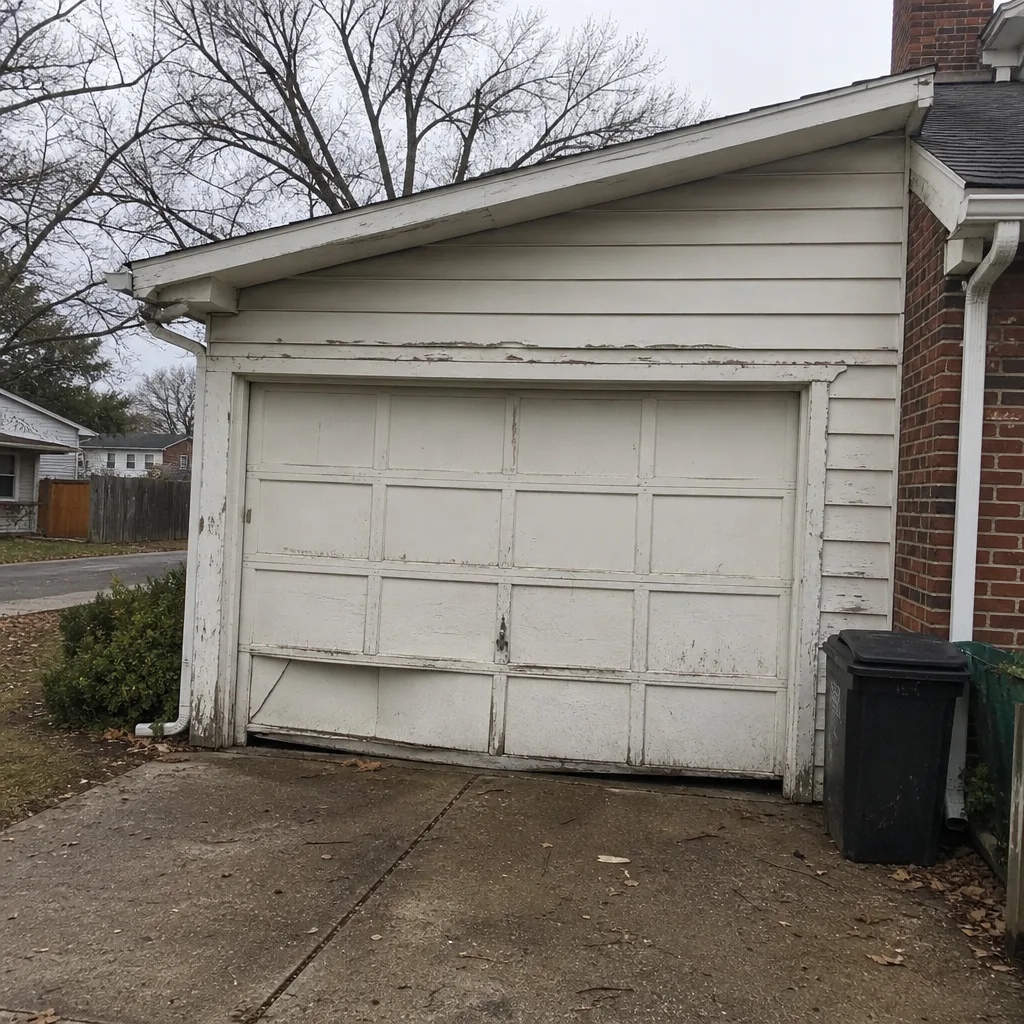 Before
 After
 Before
 After
 Before
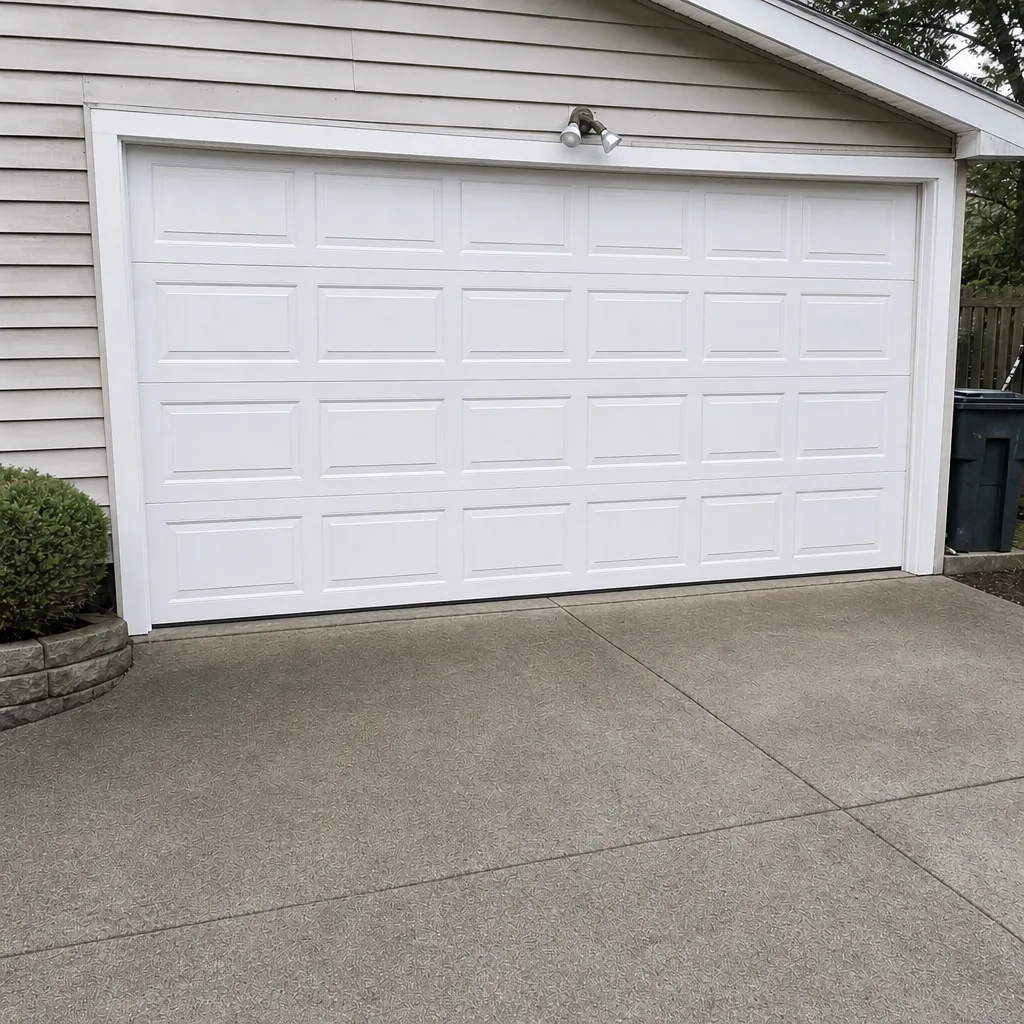 After
When to Call a Professional
Some of the work in this guide is paperwork you can handle yourself – calling the county, submitting an HOA request, reading your closing documents. But several scenarios call for a trained technician on site: a door that won’t move, a broken spring (never a DIY job – torsion springs are under extreme tension and can cause serious injury), a door off its tracks, an opener that trips the safety reverse or runs the motor without moving the door, or any structural change to the opening that has to be planned to code. Those are also the scenarios where getting it wrong is expensive, which is why we don’t recommend taking them on yourself. Glen Burnie Garage Door Repair offers free estimates in Glen Burnie and works on the brands you already have – Craftsman, Raynor, LiftMaster and the rest. Call (877) 820-9449 and we’ll give you a written price before any work begins.
Frequently Asked Questions
Usually not. A same-size door replacement onto the existing framing and tracks is typically treated as maintenance and doesn’t require a building permit in Anne Arundel County. Anything that changes the structural opening – header, framing, width or height – generally does. When in doubt, call the county’s building department and describe the exact scope. The call takes minutes and settles it.
For typical residential garage door structural work, the county’s permit fee is modest – often well under a few hundred dollars, and sometimes much less depending on scope. The county’s online portal shows the fee before you submit. Engineering letters or HOA review fees, if applicable, are separate. Call (877) 820-9449 for an exact quote on the work itself – estimates are free.
It can. A title search turns up the record of permits pulled on the address, and when a structural change doesn’t match the record, a buyer’s inspector or lender will usually flag it. That can delay closing, force a retroactive permit, or give the buyer leverage on price. It doesn’t happen on every replacement – only on structural changes that skipped the process – which is why the permit matters when the scope calls for one.
The inspector checks the structure, not the door. That means the header, framing, load path, connections and fire separation between the garage and any living space. They’ll confirm the door is installed and operating, but the structural elements are what get signed off. Prepare by having the approved permit on site, the drawings accessible, and the interior face of the framing clear and complete.
No. HOA approval and county permitting are two entirely separate processes. Your HOA cares about appearance: color, style, windows, hardware and material. The county cares about structural compliance. You need both approvals when both apply, and you should run them in parallel rather than sequentially so the timeline doesn’t drag. Get the HOA sign-off before you order a custom door.
Yes, in most cases. Springs and openers are repairs, not structural work, so no permit is involved and we can typically address them the same day. Call (877) 820-9449 and we’ll confirm availability and give you a written price before any work starts.
The Bottom Line
Most garage door replacements in Glen Burnie don’t need a permit. Structural changes to the opening do. Anne Arundel County’s process runs through an online portal, the fee is modest, and inspections focus on framing, load path and fire separation rather than the door itself. HOA approval runs on a separate track and is not a substitute for the county process. And an unpermitted structural change can surface years later during a title search or an insurance claim, at which point the cost is far more than the permit ever would have been. If you’re not sure which side of the line your project is on, call the county and ask. Every quote we give you is agreed in writing before any work starts, and garage door repair questions are always free to answer.
Contact
Ready to move forward, or want a specialist to look at your door before you decide? Call Glen Burnie Garage Door Repair at (877) 820-9449 for a free estimate. We work on the brand you already have, from LiftMaster and Chamberlain openers to Clopay, Amarr, Wayne Dalton, Craftsman and Raynor doors, and we’ll walk through the permit question with you so you know exactly what your project involves. Advice is free, pricing is upfront, and every job is quoted before work begins.
Written by the team at Glen Burnie Garage Door Repair.